


.png)


.png)
Special Offers!
![Discovery Paper FSC 5x Ream-wrapped Pks 75gsm A4 White [5x500 Sheets]](https://cdn3.evostore.io/productimages/ot_wholesale/l/377105.jpg)
![Navigator Universal Paper Multifunctional 80gsm A3 Wht Ref NUN0800037 [500 Shts]](https://cdn3.evostore.io/productimages/ot_wholesale/l/362011_01.jpg)
![5 Star Office Punched Pocket Embossed Polypropylene Top-opening 40 Micron A4 Clear [Pack 100]](https://cdn3.evostore.io/productimages/ot_wholesale/l/297013.jpg)
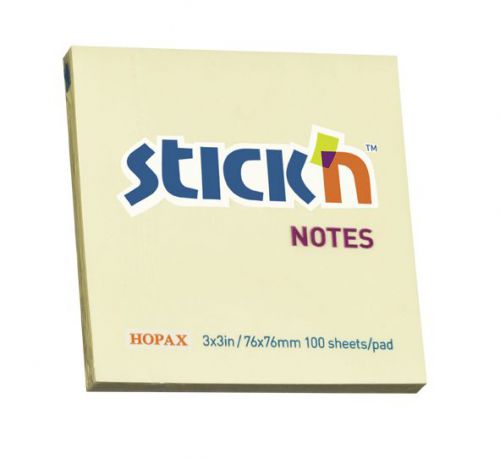
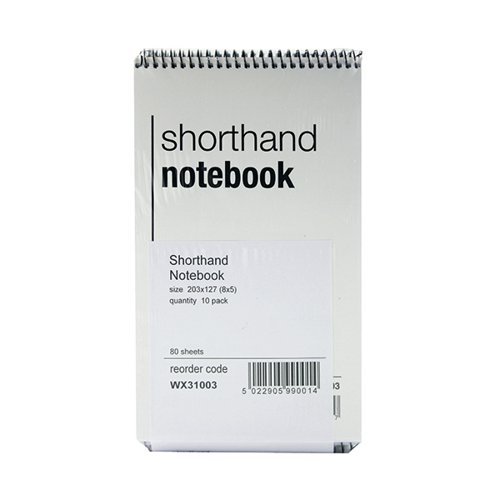

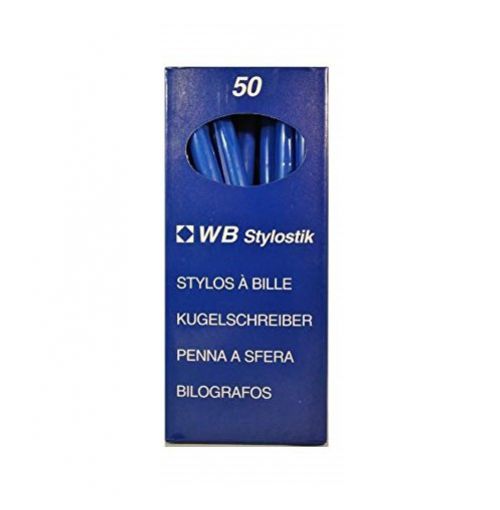
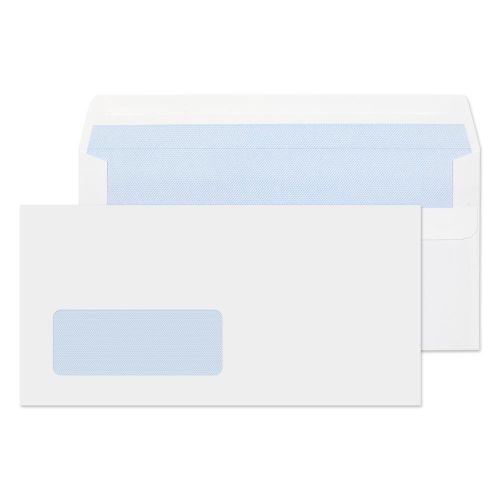
Excellent customer service since 1996.
Great prices on Office Desks, Office Chairs and over 40,000 Discounted Office Supplies and Stationery products. Fast Free Delivery on Orders over £25.00.
Desk Write Business Solutions have over 25 years of experience in the supply of office products to businesses, schools, councils, and charities all over the UK.
Desk Write Business Solutions have been providing office furniture solutions and general office supplies in and around Wolverhampton and the West Midlands for over 25 years. This includes office desks, office chairs, boardroom furniture, reception furniture, filing cabinets, and a free space planning and design service. We also supply thousands of office products usually next day delivery including office paper, Toners and Inkjet printer cartridges, envelopes, and general Stationery.
Unlike many online companies we are not faceless, we welcome contact and enquiries to make sure we can offer you the best products at the best prices.
Based in Wolverhampton we service the West Midlands area including Birmingham, Dudley, Cannock, Stourbridge, and Walsall with our own vans and nationally using our network of delivery partners. We supply local businesses, schools, charities, government organisations, and home offices with customer service we believe is second to none. We help you work more efficiently and save you money with our competitive prices.
Please contact us on 01902 408200 or email sales@deskwrite.com if you have any queries would like to discuss how we can save you money and improve the supply of your office products. We can also offer a 30-day credit account for business purchases.
